How to Reduce Arm Pump in Motocross
You reduce arm pump by gripping the bars less, riding with your legs and core, setting up your controls so they don't fight you, and training your forearms to last. Most riders need a mix of all four. Here's how each one works, plus a simple grip routine and the signs that mean you should see a doctor.
What is arm pump?
Arm pump is the tight, swollen, burning feeling in your forearms that makes it hard to hold the bars. Your forearm muscles work hard to hold on and run the clutch and brakes. When they stay clenched, the muscle gets tight and tired, and your grip fades. Riders call it arm pump. Late in a moto it can get bad enough that you can’t pull the clutch or hold your line.
It’s common, and it’s rarely just one thing. That’s why one trick from a friend works for them and not for you.
What causes arm pump?
The short answer is a tight grip, a tired body and a bike that makes you work harder than you need to. The usual causes are:
- A death grip on the bars. Squeezing hard all moto keeps your forearm muscles locked on.
- Too much weight on your arms. If your legs and core aren’t doing their job, your hands take the load.
- Holding your breath. Tense sections make riders stop breathing, and tired muscles get worse.
- A bike setup that fights you. Lever angle, grip thickness and a stiff clutch pull all add effort.
- Low fitness. Weak grip endurance, a thin cardio base and little leg or core strength all show up in the last laps.
- Dehydration and poor warm-up. Cold, dry muscles tire faster.
How do you get rid of arm pump while you’re riding?
Loosen your grip first. Most riders squeeze far harder than the bike needs. On a straight, shake out one hand at a time, or open your fingers for a second. Then check your body:
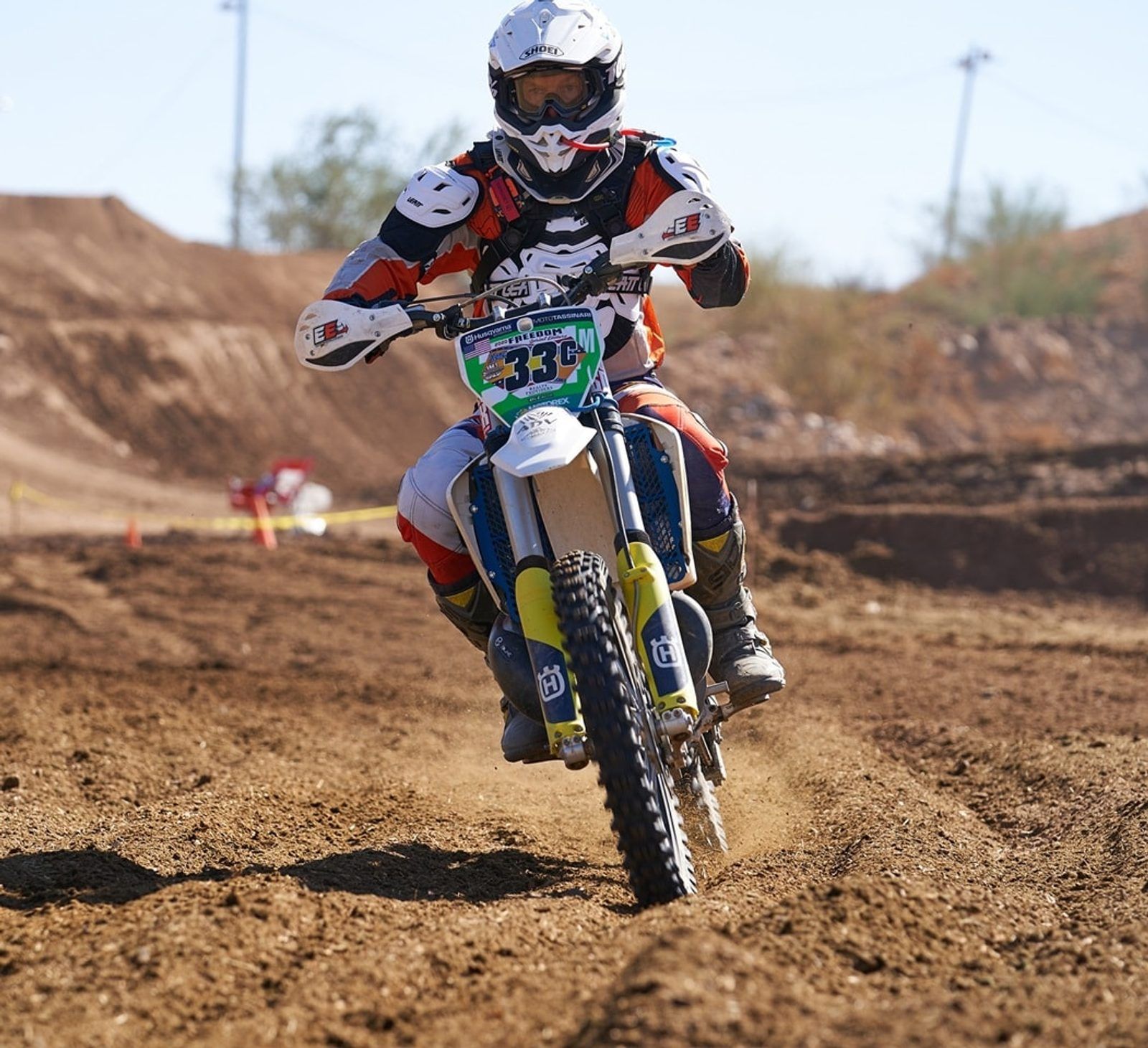
- Ride with your legs. Squeeze the bike with your knees and keep your weight over the pegs. Your arms steer. They don’t hold you up.
- Stay loose in your elbows. Keep them up and bent so your arms can absorb the track.
- Breathe on purpose. Take a breath before a hard section and let it out through the next corner.
- Look ahead. Looking farther down the track gives you time to be smooth, and smooth riding uses less grip.
- Pick a gear that lets you roll the throttle. Big handfuls of throttle make you hang on harder.
These are common coaching tips from riding magazines and instructors, not medical advice. Work on one at a time so you can tell what helps.
Can your bike setup cause arm pump?
Yes. A bike that’s hard to control makes you grip harder. Check these before you blame your fitness:
| Check | What to look for |
|---|---|
| Lever position | Levers angled so your wrist stays straight, with two fingers on each lever |
| Grips | Not worn out, not too thick or thin for your hand |
| Clutch | Cable lubed and adjusted, or hydraulic fluid fresh, so the pull is light |
| Tire pressure | Within the maker’s range, so the bike doesn’t kick and jar your arms |
| Suspension | Set for your weight and the track, so it isn’t beating up your arms |
If you aren’t sure, ask a good mechanic or a suspension tuner to look it over.
Do forearm exercises help arm pump?
Yes, they can. Training your grip and forearm endurance helps your muscles last longer before they tire. But strong forearms alone aren’t the answer. Core, legs and cardio matter just as much, because they let you take weight off your hands.
Here’s a simple starting routine. Do it two or three days a week, after you warm up. Keep every set easy enough that you could do a few more reps. Stop if anything hurts in a sharp or unusual way.
| Exercise | How to do it | Start with |
|---|---|---|
| Dead hang | Hang from a pull-up bar with a relaxed, steady grip | 3 holds of 20 to 30 seconds |
| Farmer’s carry | Walk holding a dumbbell or kettlebell in each hand | 3 walks of 30 to 40 seconds |
| Light wrist curls | High reps with a light weight, both palm up and palm down | 2 sets of 20 to 25 each way |
| Open and close | Squeeze a soft ball or open and close your hands for a minute | 3 rounds |
Race Fit Training builds grip endurance and full-body conditioning into riders’ programs, with plans that fit your experience and any injuries. Training can help you manage fatigue. It can’t guarantee you’ll never get arm pump.
Does hydration or recovery matter?
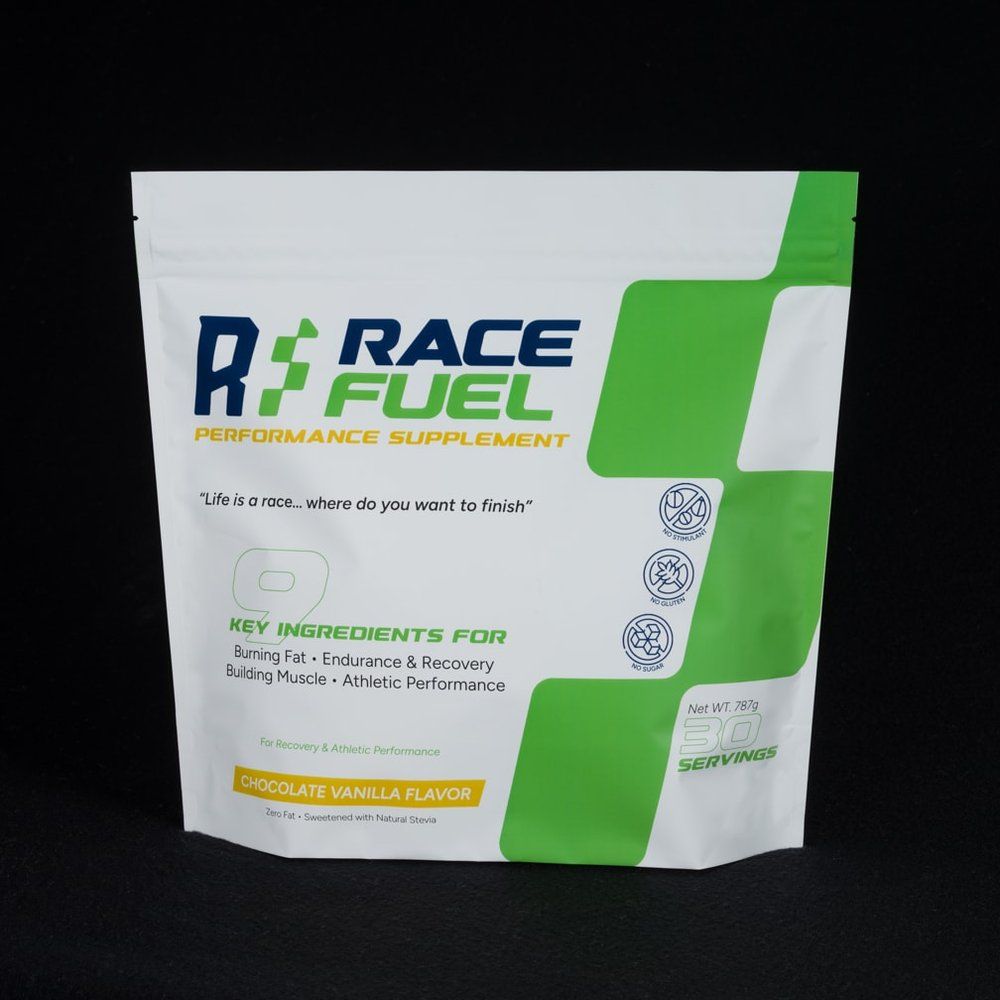
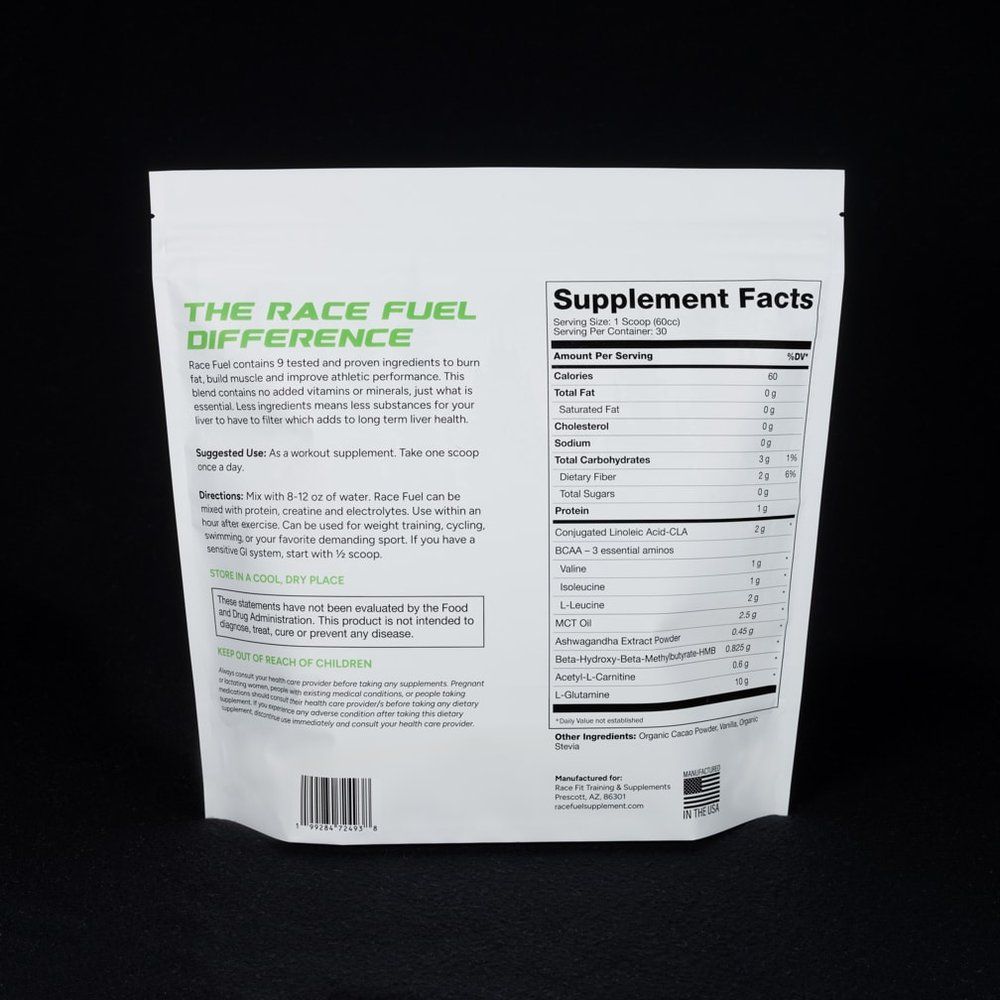
They help. Drink water before and during your ride, and warm up your hands, forearms and shoulders before you go out. Afterward, recovery matters too. Food, water, sleep and a good post-workout routine all help your body get ready for the next ride. Some riders add a stimulant free recovery powder, such as Race Fuel, to that routine. No supplement fixes arm pump, and none should be treated as a cure.
When should you see a doctor about arm pump?
See a doctor if your arm pump is severe, shows up fast, keeps coming back no matter what you change, or comes with numbness, tingling, weakness or pain that doesn’t ease after you stop riding. Sometimes arm pump is a medical issue, such as chronic exertional compartment syndrome, and a doctor can check for it. Some riders with a diagnosed condition need treatment beyond training and bike setup.
Where to go from here
Start with one change this weekend: loosen your grip and ride with your knees. Then add the grip routine two days a week. If you’d like a plan built around your riding, your schedule and your injuries, see Race Fit Training, or call John at (928) 458-8279.
This article is general information, not medical advice. See a doctor for pain, numbness, weakness or symptoms that don’t go away.
Frequently Asked Questions
What causes arm pump in motocross?
Mostly a tight grip, too much weight on your arms, poor breathing, a bike that's hard to control and low fitness for the effort.
Can you get rid of arm pump for good?
Many riders reduce it a lot with technique, setup and training. Nobody can promise it will never come back, and persistent cases should be checked by a doctor.
Do forearm exercises really help?
They can help build grip endurance. They work best alongside leg, core and cardio training and a looser riding style.
How long does it take to improve?
It depends on your starting point and how often you train. Most riders notice differences in how they ride sooner than in how strong they feel.
Want a plan built around your riding?
John builds training programs around your goals, your schedule and any injuries. Call or send a message.
Shop online any time